The short answer
Pack clean, completely dry belongings; label every box; place heavy items low; and leave an aisle to the back. Put frequently needed items by the door and keep a numbered inventory outside the unit.
Clean and dry before you pack
Putting damp items into a closed container can create problems during storage. Clean belongings according to their care instructions and allow them to dry fully before packing. Check outdoor items for soil and debris. Inspect boxes and containers rather than reusing damaged packaging.
Select protection for the actual material. Fragile objects need cushioning and sturdy containers; upholstery needs a suitable cover and airflow. Packaging cannot turn a standard unit into a controlled environment. Ask about temperature and humidity needs before storing sensitive belongings.
- Sturdy boxes or suitable bins
- Packing paper and protection for fragile items
- Labels, marker, and a numbered inventory
- Furniture covers appropriate to the material
Use a simple numbering system
Write a box number, room, and short contents description on more than one side. Keep a matching list on your phone or on paper at home. Record roughly where each group sits in the unit: back left, right side, or near the door. Keep private records and irreplaceable documents somewhere suitable rather than relying on a storage inventory alone.
Group items by when you will need them. Holiday decorations and frequently used equipment should not be trapped behind the furniture from a long-term move. Leave medicines, keys, and everyday essentials out of the unit.
Lay out the floor before building stacks
Start with bulky items around the sides and back, allowing space to reach boxes. Place heavier containers at the bottom of stable stacks and lighter ones above. Do not stack beyond a safe height or use delicate furniture as a shelf. Keep door movement clear and ask about unit rules before adding shelving or a raised storage platform.
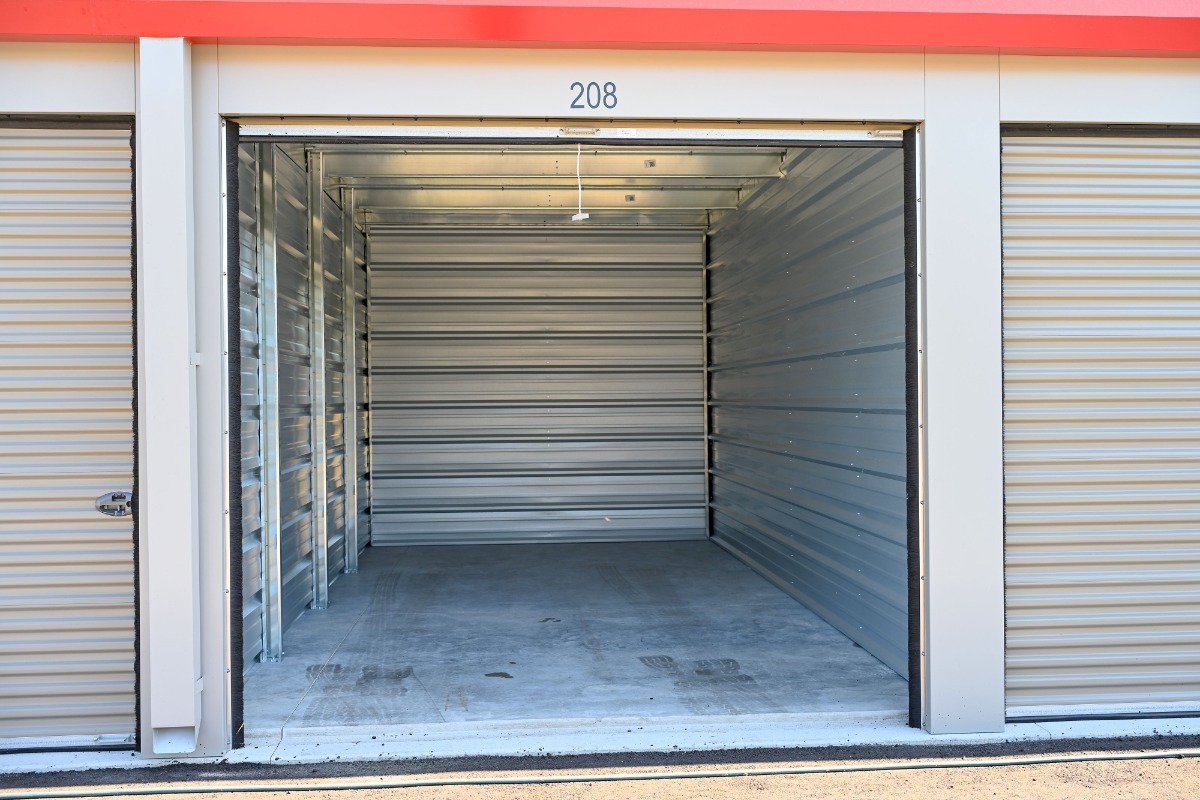
An aisle uses floor area, but it can save you from unloading the whole unit later. Measure your largest items and sketch their footprints first. If your layout fills every inch of a 10 × 10, compare a larger unit rather than relying on unsafe stacking.
Make your next storage visit a short one
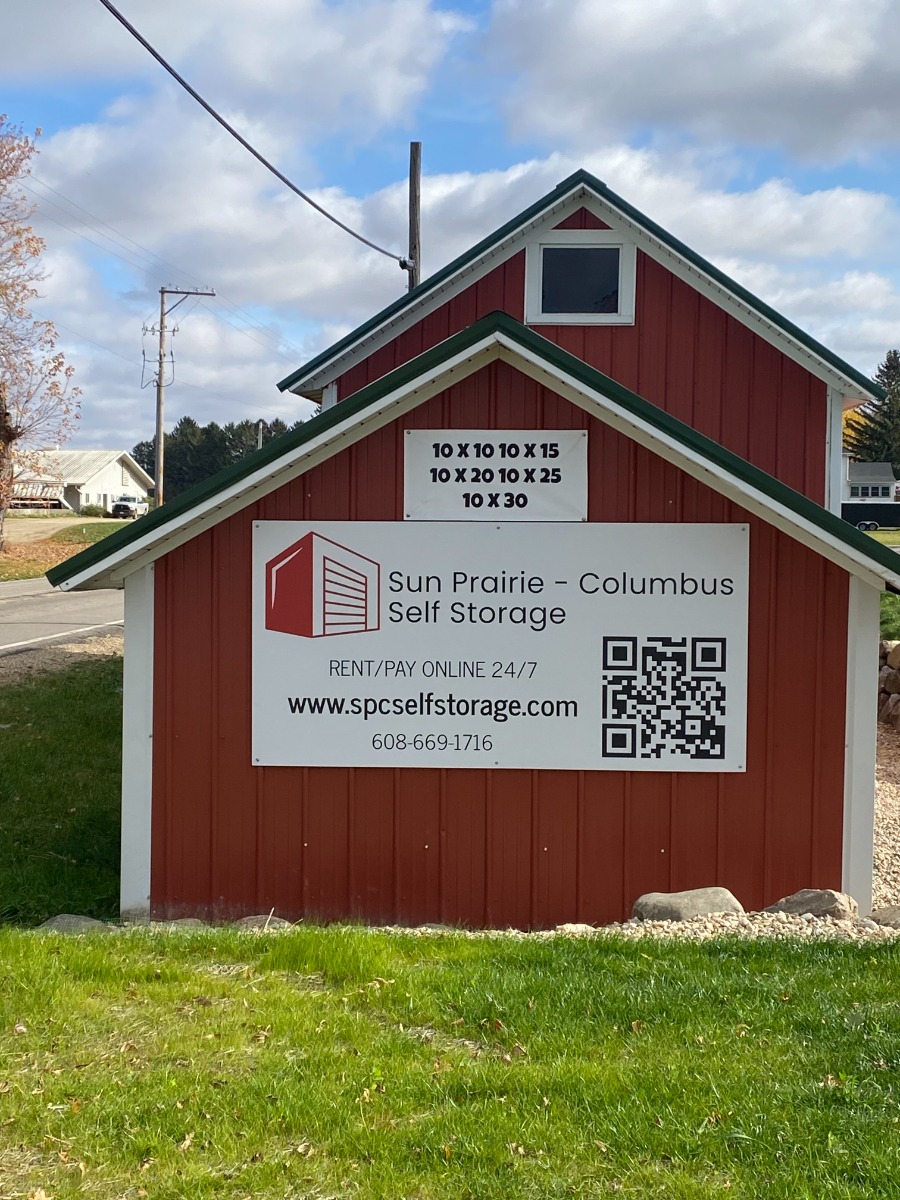
For customers coming from Sun Prairie, Columbus, or nearby communities, an organized unit makes a retrieval trip more predictable. Keep a small list of what you need before you leave and check your route to our County Highway V facility. Do not quote yourself a fixed travel time without checking current conditions.
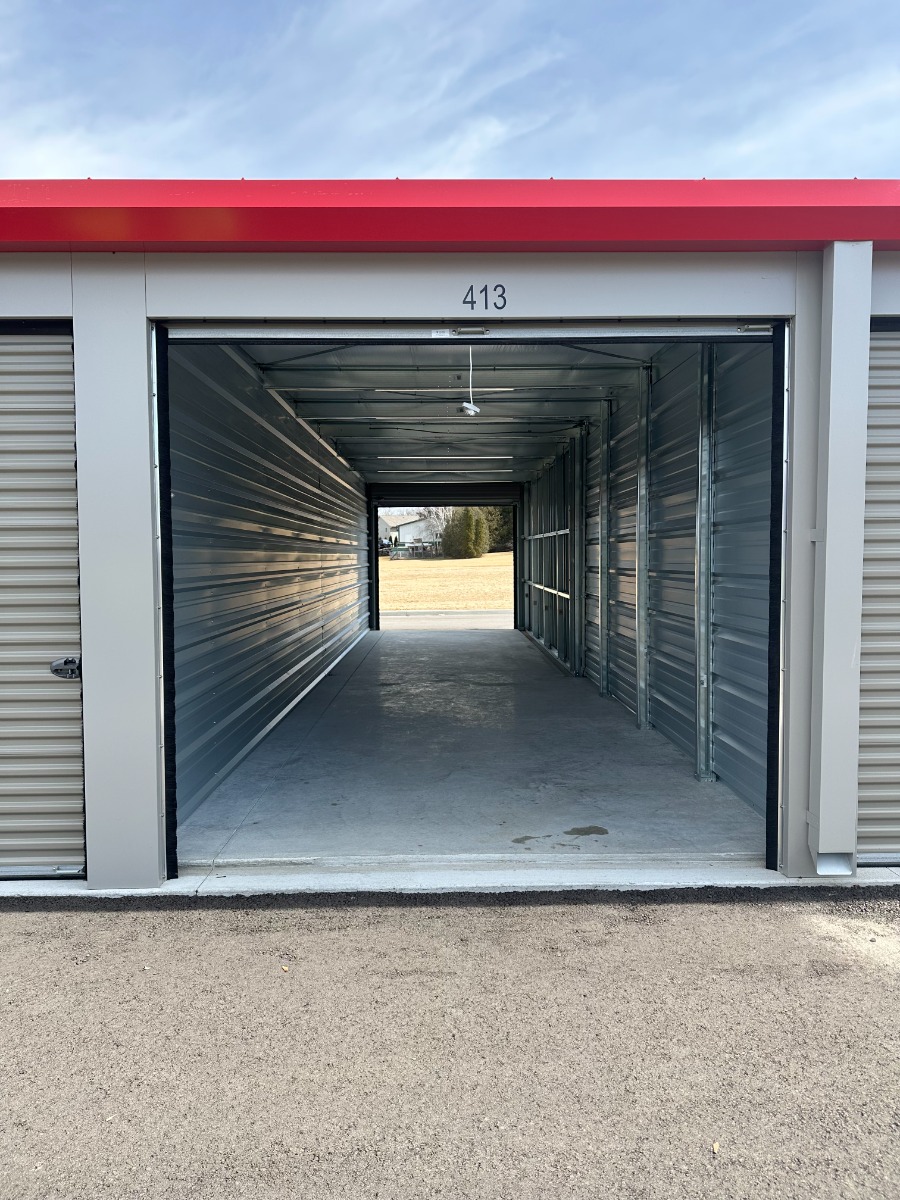
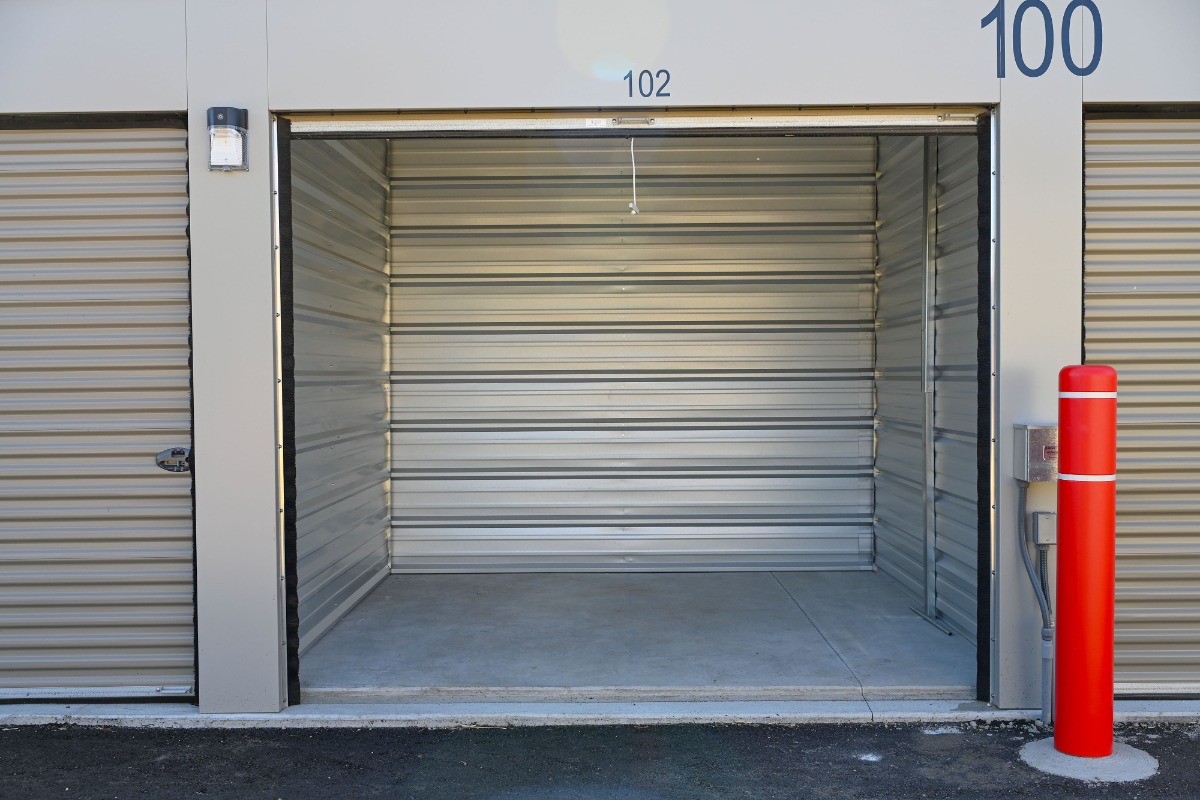
Our drive-up units offer 24/7 access, with manager visits by appointment. Confirm current unit availability through the rental portal. Before storing vehicles, fuel-containing equipment, or unusual business supplies, ask the manager about permitted items and preparation requirements.
Common questions
Should I fill the unit all the way to the door?
Leave enough clearance for door movement and safe access. Plan an aisle if you expect to retrieve items while the unit is full.
Are bins always better than boxes?
No single container suits every item. Choose packaging based on weight, fragility, moisture sensitivity, and the manufacturer's care guidance.
Further reading: Store Space: packing for long-term storage. Follow item-specific care instructions and confirm facility suitability before storing.
Facility-specific details come from our published information. Current availability, prices, promotions, and agreement terms must be confirmed in the rental portal.